Replacement
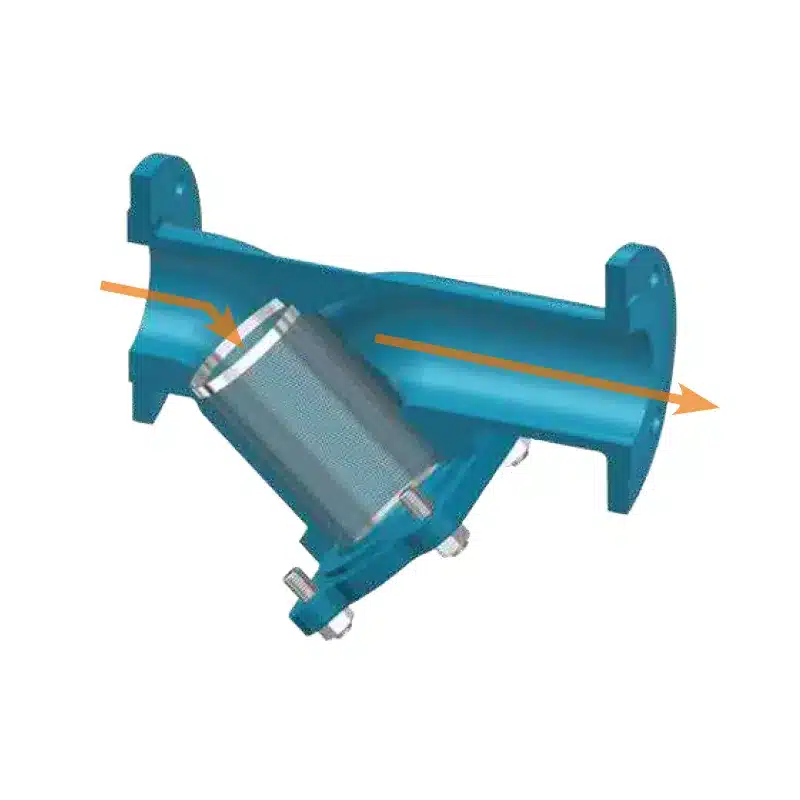
The Y strainer screen sits at an angle in the flow path and bears the full differential pressure. If it is not cleaned in time, it gets pushed in – and then it no longer retains anything, without anyone noticing.
We replicate these screens – for valves of any origin, in the mesh size of your choice. A collapsed screen is no reason to replace the valve.
Design
In a basket-type strainer, the element sits in a vessel and is removed from above. In a Y strainer, it sits in the angled leg, the medium flows across it, and it is held by a screwed cap. That makes different demands.
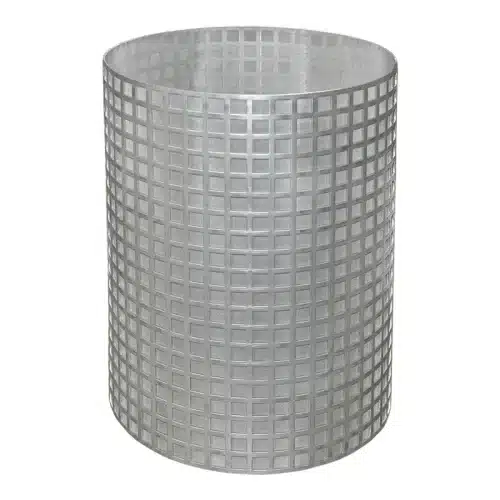
With fine mesh sizes, the wire mesh needs a perforated plate basket beneath it. Without it, the screen bulges even at moderate differential pressure.
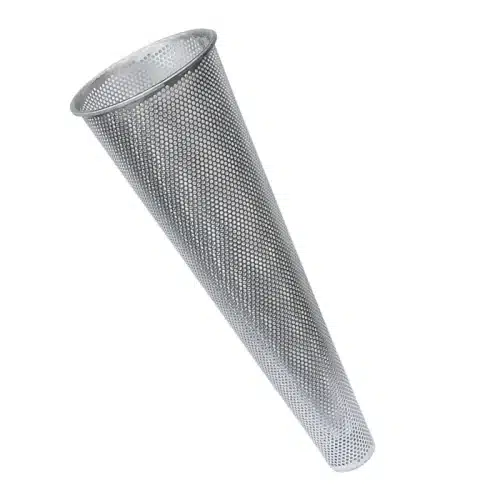
The shape depends on the housing. For conical screens we also need the diameter of the tip.
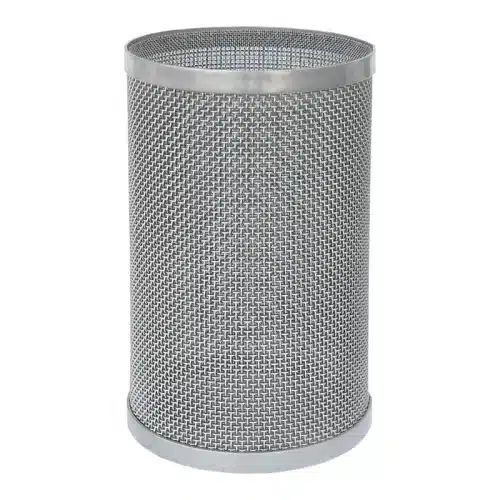
The rim determines whether the element seals properly. How it is made can be seen better in a photo than in any dimension.
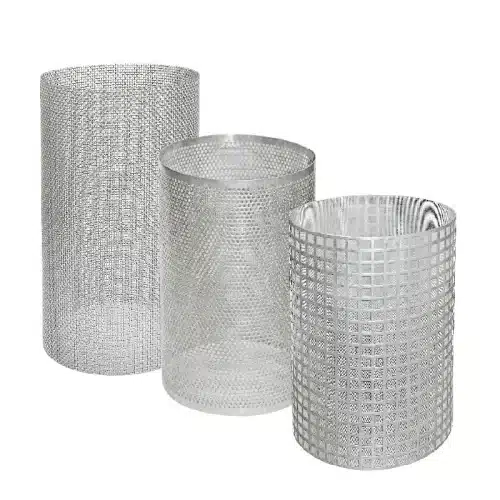
We cannot replicate smaller screens economically – for these, the original part is usually still available.
Replace at the same time
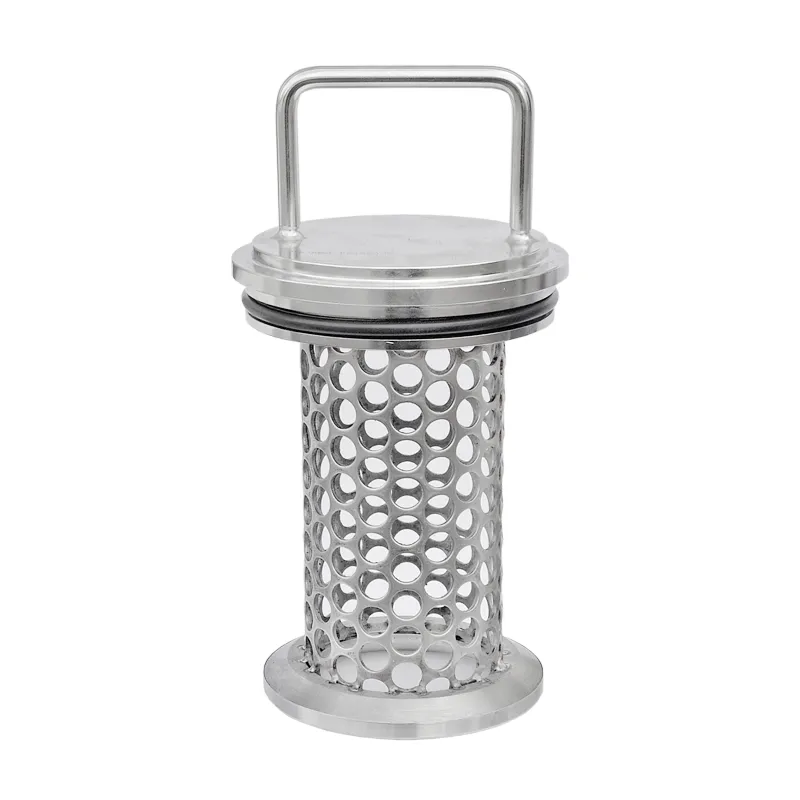
Anyone opening the strainer to change the screen should renew the gasket of the screwed cap at the same time. After years in service it has hardened and often no longer seals properly when reassembled.
We make gaskets to the groove dimensions – also for valves that do not come from our production. Tell us the outside diameter, inside diameter and thickness, or enclose the old gasket with the sample.
Retrofitting
The most common cause of a collapsed screen is a cleaning interval based on the calendar instead of on condition. When the screen is full depends on the medium – it only becomes visible in the differential pressure.
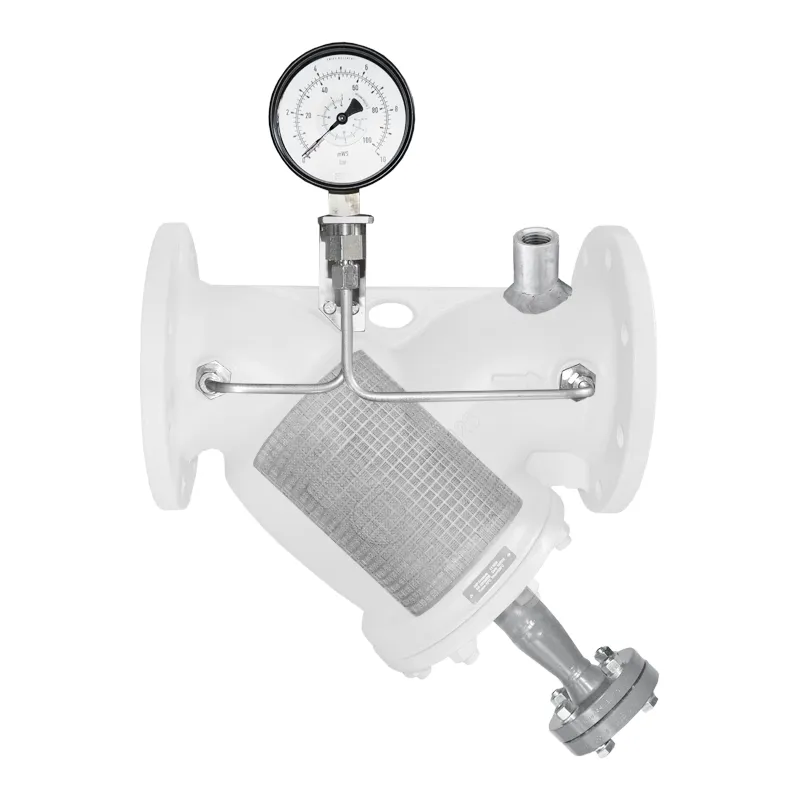
Many valves already have sockets upstream and downstream of the screen. If they are there, retrofitting is a matter of minutes.
A visual indicator is sufficient for on-site inspection. A pressure gauge with contact reports to the control room.
The value with a clean screen is the starting point. If it rises significantly, cleaning is due – long before anything collapses.
Four details are enough. Outside diameter, height, mesh size and material – taken from the old part. A photo also shows us the design of rim and bottom. How to take the dimensions is explained on the overview page: What we need for a Y strainer screen →
Frequently asked questions
Usually not. A screen collapses when it clogs and the differential pressure rises until the material gives way. The remedy is either a sturdier support basket, a coarser perforation or an indicator that shows when cleaning is due.
From about 60 mm outside diameter of the screen. Below that, a replica is rarely worthwhile – original parts are usually still available there.
Then the outside diameter of the screen, its height and a photo of the removed part are enough. If the screen can no longer be found: tell us the nominal size, pressure rating and type of valve, and we will get there via the housing dimensions.
Yes, with a suitable support basket beneath it. Expect shorter cleaning intervals – a finer screen clogs faster.
Yes. Magnetic rods in or on the strainer element retain ferritic abrasion that even a fine wire mesh lets through. With pump wear and scale from pipelines, this is the most effective addition.
Outside diameter, height, mesh size, material – or a photo of the removed screen. We will add the matching gasket.